
Slip disc
Slip disc
During a traumatic injury, the spine may lurch forward, compressing the front of one or more lumbar discs, causing the back to protrude and leading to tears and thinning of the annulus fibrosis.
Over time, the damaged annulus weakens, and the nucleus pulposus dries out, losing flexibility. As the disc deteriorates, the nucleus pushes the annulus outward, causing a disc bulge. Depending on its location, the bulge may impinge on spinal nerves or the cauda equina, resulting in pain, numbness, or weakness.
Slip disc Causes
- Improper lifting – Lifting heavy objects using your back instead of your legs can lead to a herniated disc. Twisting while lifting also increases the risk.
- Excess weight – Carrying extra weight puts additional pressure on the discs in your lower back.
- Repetitive strain – Physically demanding jobs that involve frequent lifting, pulling, bending, or twisting can strain the spine over time.
- Prolonged sitting – Jobs that require long hours of driving can put stress on the spine, especially due to vibrations from the vehicle.
- Lack of exercise – A sedentary lifestyle weakens muscles that support the spine, increasing the risk of disc problems.
- Smoking – Smoking reduces oxygen supply to the discs, speeding up degeneration and making them more prone to injury.
Slip disc Symptoms
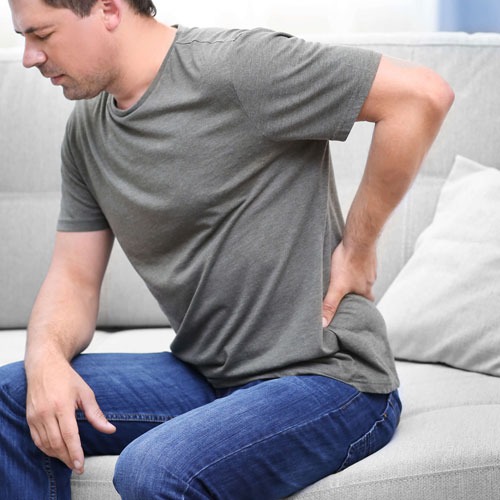
- Lower back pain that may worsen with movement.
- Tingling or numbness in the shoulders, back, arms, hands, legs, or feet.
- Neck pain that can make movement difficult.
- Difficulty bending or straightening your back due to stiffness or discomfort.
- Muscle weakness, making it harder to perform daily activities.
- Pain in the buttocks, hips, or legs, especially if the sciatic nerve is affected.
Treatment process of Slip disc at SL Regrow Clinic

Treatment
We use spinal decompression and advanced laser therapies to treat slipped discs by relieving pressure on the affected area. This combination helps reduce pain, promote healing, and support the regeneration of damaged tissues.

Outcomes
Patients experience significant pain relief, improved mobility, and reduced pressure on the affected disc. Over time, the treatment promotes tissue healing and supports long-term recovery from a slipped disc.